
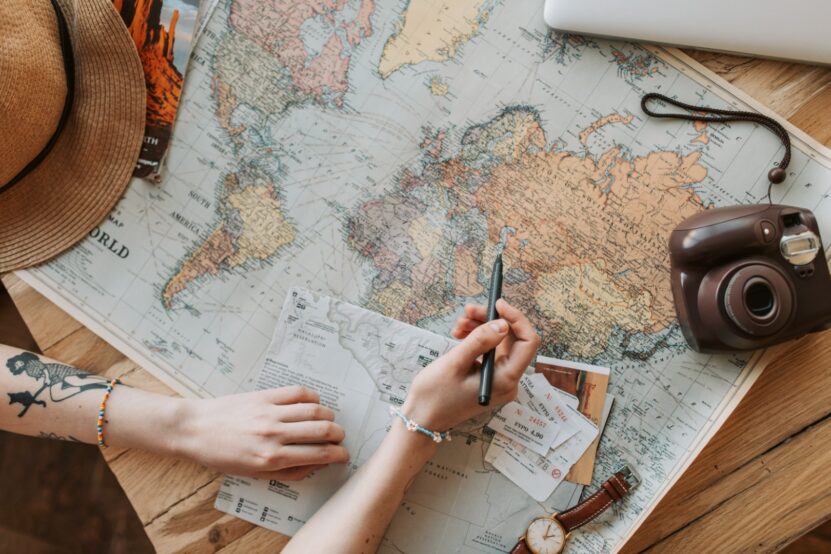
If you want a Germany itinerary that feels manageable and grounded in real travel time, focus on a few regions and connect castles with nearby small cities. This approach keeps logistics simple and avoids long transit days. Germany’s rail system is reliable, but smaller towns often require short bus or regional train connections, so grouping locations matters.
Start by deciding how you will move between regions. Trains work well for most routes, but renting a car becomes useful in areas like Bavaria where castles sit outside main rail lines. Plan for two to three nights per base. That gives enough time to visit one major castle and explore a nearby town without rushing.
Choosing the Right Base Cities
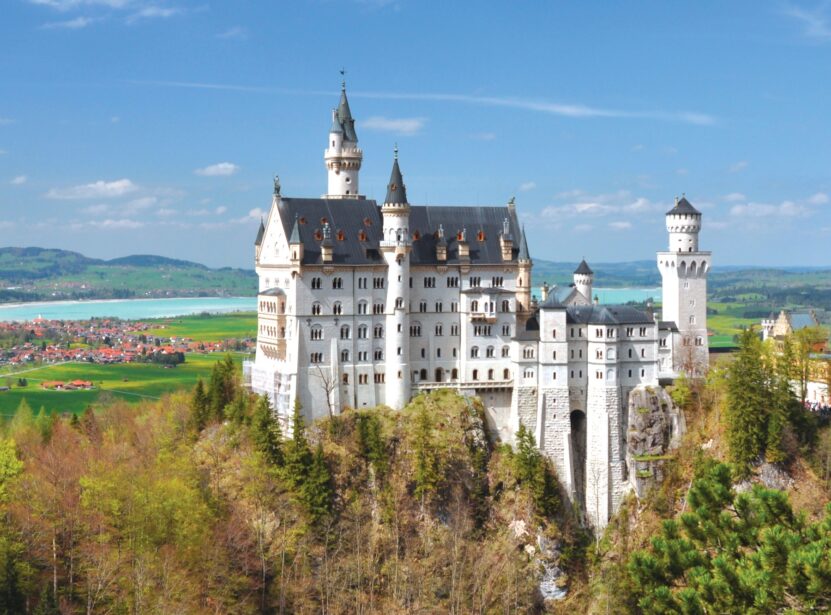
Picking the right base makes the entire trip easier. You want towns that are well connected but still close to castles. Munich works as a starting point for Bavaria, especially if you are visiting Neuschwanstein or Hohenschwangau.
While organizing your stay, you may come across services like München escort in case you need a travel companion for a night out in the city. These are unrelated to travel planning, so it is best to stay focused on booking lodging, transport, and tickets through verified platforms.
For castle-focused travel, consider these base options:
- Füssen for Neuschwanstein and Hohenschwangau
- Rothenburg ob der Tauber for medieval architecture and day trips
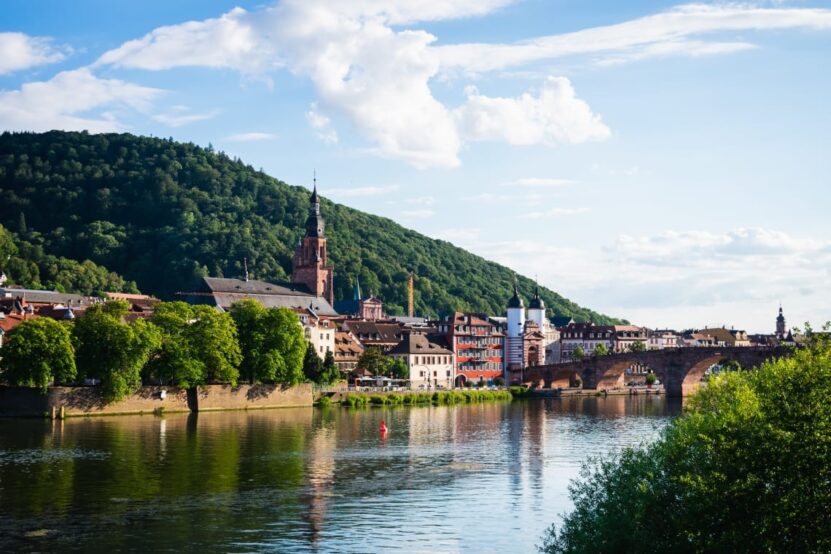
- Heidelberg for castle ruins and easy train access
Each of these towns allows you to walk most of the center and reach key sites without complex planning.
Structuring a Logical Route
A good route minimizes backtracking and keeps travel time under control. Germany is compact, but moving between regions still takes time. A typical structure for this type of trip might look like this:
| Region | Base City | Key Castle | Travel Time to Next Stop |
| Bavaria | Munich or Füssen | Neuschwanstein | 2 to 3 hours |
| Franconia | Rothenburg ob der Tauber | Burggarten area views | 2 hours |
| Baden-Württemberg | Heidelberg | Heidelberg Castle | 1 to 2 hours |
This structure works because each stop builds on the previous one geographically. After planning the route, check train schedules or driving times for each segment. Always account for delays or limited departures in smaller towns.
What to Expect at the Castles
Not all castles in Germany offer the same experience. Some are fully restored and require timed entry tickets. Others are partially preserved ruins with open access. Knowing this helps set expectations and avoid wasted time.
Neuschwanstein requires advance booking, especially in peak months. You will need to arrive early and allow time for the uphill walk or shuttle. Heidelberg Castle is easier to visit but still benefits from going early in the day.
Important: Many castle tours are guided only. You cannot explore freely inside certain sites, so check schedules in advance.
Plan each castle visit as a half-day activity. That leaves time to explore the surrounding town without feeling rushed.
Balancing Castles with Small City Time
It is easy to overpack an itinerary with castles and forget the towns themselves. Small cities are where you actually spend most of your time, so give them proper attention. Walk through the old town areas, visit local bakeries, and explore side streets outside the main tourist paths.
In Rothenburg ob der Tauber, the town walls and quiet residential streets are as important as the main square. In Heidelberg, the riverside paths and university district offer a different view of the city beyond the castle.
A simple way to balance your schedule:
- Morning: castle visit
- Afternoon: town exploration
- Evening: local dining and relaxed walking
This structure keeps each day focused without feeling repetitive.
Practical Travel Tips That Matter
Small adjustments can make a noticeable difference during your trip. Booking train tickets early can reduce costs, especially for longer routes. If you plan to take multiple regional trains, consider a regional day pass.
Pack for walking. Many of these towns have uneven streets and limited vehicle access in historic centers. Comfortable shoes and a small day bag will make moving around easier.
Did you know? Some smaller German towns have limited dining options after 8 PM, especially outside peak tourist season. Plan dinner earlier or confirm restaurant hours in advance.
Finally, keep your itinerary flexible. Weather can affect visibility at castle viewpoints, and adjusting your schedule by a few hours can improve the experience.
Bringing It All Together
A Germany trip built around castles and small cities works best when it stays focused. Choose a few regions, base yourself in well-connected towns, and plan each day with a clear structure. Avoid trying to see everything in one trip. Depth is more useful than coverage.
By combining practical routing, realistic timing, and attention to local details, you end up with a trip that feels organized but not rigid. That balance is what makes the experience both efficient and enjoyable.